

Ageing and Its Mechanisms
Ageing is a complex process involving the gradual decline of various cellular and molecular systems over time, which leaves the body more susceptible to dysfunction and disease. This deterioration often manifests in cellular damage and tissue degradation, which are characteristic of age-related diseases, such as cancer, arthritis, and neurological disorders. As we age, the body experiences reduced biological efficiency, resulting in greater morbidity, reduced vitality, and a shorter lifespan. Diseases commonly seen in older populations are collectively referred to as age-related diseases. A variety of internal and external factors, including genomic instability, nutrition, and environmental stressors, can trigger molecular and cellular changes that drive ageing. These changes are mediated by multiple mechanisms, including inflammation and oxidative stress.
Key Mechanisms of Ageing
- Cell Senescence – One of the central mechanisms in ageing is cellular senescence. In this state, cells are no longer able to divide and proliferate, entering a form of arrested growth. Senescence occurs when cells experience telomere shortening (a natural consequence of DNA replication) or accumulate genetic damage. Although senescence can act as a protective mechanism (e.g., preventing cancerous cell growth), it also has negative effects. Senescent cells secrete inflammatory molecules, known as the senescence-associated secretory phenotype (SASP), which can promote tissue damage and chronic inflammation. In non-cancerous cells, such as neurons, senescence is particularly harmful because these cells have limited regenerative ability.
- Epigenetic Modifications – Another significant mechanism in ageing involves epigenetic changes, where environmental factors, including diet and stress, lead to alterations in DNA methylation, histone modifications, and the expression of non-coding RNAs. These changes can influence gene activity, either activating or repressing the transcription of key genes. Disruptions to gene regulation can impair biological functions and contribute to age-related decline.
- Genomic Instability refers to the accumulation of genetic mutations, which can either be inherited or acquired over time through various mechanisms, such as oxidative stress, inflammation, or DNA replication errors. These mutations can accumulate, leading to dysfunctional cellular processes and potentially initiating cancer, as mutated cells can begin to proliferate uncontrollably, causing tissue damage.
- Inflammation plays a dual role in ageing. On one hand, the inflammatory response helps repair tissue damage and fight off infections. On the other hand, chronic inflammation, often seen in older adults, can lead to long-term tissue damage and is associated with the development of age-related diseases. Inflammation also exacerbates oxidative stress, creating a vicious cycle that accelerates cellular damage.
- Oxidative Stress is the imbalance between reactive oxygen species (ROS) and antioxidants, leading to damage of cellular components, such as membranes, proteins, and DNA. ROS are produced during normal cellular processes, including mitochondrial respiration, but can also result from external factors like radiation and inflammation. Over time, the accumulation of ROS can contribute to ageing and disease.
- Proteostasis refers to the regulation of protein synthesis, folding, and degradation. As we age, proteostasis declines, leading to the accumulation of misfolded proteins, which can form aggregates — a hallmark of neurodegenerative diseases like Alzheimer’s disease (AD). The process of autophagy, which clears damaged proteins, can be enhanced through lifestyle interventions, such as fasting.
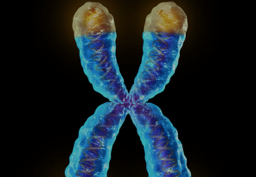
- Telomere Attrition. Telomeres – the protective caps at the ends of chromosomes, shorten with each cell division. Over time, this progressive shortening leads to cell senescence, preventing further cell division. While this mechanism serves to limit the replication of potentially damaged cells, it can also contribute to ageing. In cancer cells, an enzyme called telomerase counteracts telomere shortening, allowing uncontrolled cell growth. While telomerase can be beneficial in maintaining healthy cell function, its activity in cancer cells contributes to tumour growth.
Key Pathways in Ageing
Three critical biological pathways have been identified in ageing:
- PI3K/Akt/mTOR Pathway
This pathway regulates several processes, including cell growth, metabolism, apoptosis, and cell senescence. It plays a central role in determining how cells respond to nutrient availability, stress, and damage. - p53/p21/p16 Pathway
This pathway is important for preventing cancer. It ensures that cells with DNA damage are either repaired or directed into senescence or apoptosis, preventing the proliferation of potentially cancerous cells. - Nrf2/ARE Pathway
The Nrf2 pathway regulates the body’s antioxidant defences by activating genes that produce enzymes involved in combating oxidative stress and inflammation. Nrf2 helps protect cells from the damaging effects of ageing and environmental stress.
Age-Related Diseases
Several diseases are commonly associated with ageing, including:
- Arthritis: Characterized by joint inflammation.
- Cancer: The uncontrolled proliferation of cells, leading to tissue damage.
- Neurological Disorders: Conditions that affect the nervous system.
- Alzheimer’s Disease (AD): A neurodegenerative disease marked by the accumulation of amyloid-beta (Aβ) plaques and tau tangles in the brain.

Nutraceuticals and Anti-Ageing Effects
Nutraceuticals – natural compounds derived from food or supplements, have been shown to exhibit anti-ageing effects by modulating various ageing mechanisms and alleviating the symptoms of age-related diseases. Unlike conventional drug treatments, which often target specific diseases individually, nutraceuticals offer a holistic approach, improving health by addressing multiple ageing pathways simultaneously.

Several nutraceuticals have been extensively studied for their anti-ageing effects, including:
- EGCG (Epigallocatechin gallate), a polyphenol found in green tea
- Genistein, an isoflavonoid from soy
- Sulforaphane, a phytonutrient found in cruciferous vegetables
These compounds have been shown to exert antioxidant and anti-inflammatory effects, which are particularly beneficial in the context of age-related diseases like arthritis, cancer, neurological disorders, and AD. Research suggests that these nutraceuticals can modulate oxidative stress and inflammation, two key factors driving the progression of ageing and disease.

Conclusion
Ageing is driven by complex interactions between various cellular and molecular mechanisms. Understanding these processes is crucial for developing strategies to mitigate age-related diseases and improve health during ageing. While pharmaceutical treatments often focus on individual diseases, nutraceuticals offer a broader, preventive approach by targeting multiple pathways simultaneously, providing a promising alternative or complement to traditional medicine.
 Outsideandin.me
Leave a comment