

Intro
There is increasing discussion and awareness around peri-menopause and menopause which is great, however it can feel daunting with regards to the physical and mental symptoms that can result from imbalanced hormones. On a positive note, our lifestyle factors significantly affect peri-menopausal and menopausal symptoms, therefore we can work to assess lifestyle factors and make appropriate changes which will not only improve hormonal balance but our overall health and well-being. This article contains some useful information to help you gain an understanding of what happens in peri-menopause and menopause and what you can do to improve your journey. It’s a perfect time to start looking after yourself and optimising your health.
There are two main phases in a women’s monthly cycle; the follicular phase (Weeks 1 & 2) and the luteal phase (Weeks 3 & 4). The cycle is driven by various hormones which work together. When the hormones are nicely balanced, a healthy monthly cycle should ensue. The three sex hormones that are key in a women’s cycle are oestrogen, progesterone, and testosterone. Progesterone starts to decline significantly from about the age of 35 and continues to decline up until menopause (the time when periods have been absent for a year); progesterone at menopause is very low. Oestrogen on the other hand, declines generally, but it can also increase in many women and can alter from one month to the next. Testosterone levels decline by about 25% between the age of 18–40; this decline further slows on the journey up until menopause, however not by much.
There are many factors that affect the production and regulation of these key hormones in addition to natural age decline; these factors include stress, diet, sleep, and obesity. Therefore, it is key to focus on these areas to improve hormonal balance.
You will often know when there is hormonal imbalance as there are some typical symptoms which will be discussed later, for example, a decline in progesterone can cause anxiety, poor sleep, depression and many other symptoms. Normal levels of progesterone keep us calm and reduce anxiety, therefore, you can understand why many women become more anxious on the journey up to menopause and in menopause. However, on a positive note, progesterone and oestrogen levels are significantly affected by various factors so by improving these areas, you can work to reduce the negative effects of hormonal imbalance.
Stress is one of the factors that significantly affects the production of progesterone. When we are stressed, the body responds by producing cortisol which puts the body into ‘fight’, ‘flight’ or ‘freeze’ state; this cortisol response, that is often chronic in many people due to every-day stresses, not only suppresses the immune system and other vital biological functions, but also depletes the production of progesterone. The body will always make cortisol before progesterone due to its primordial survival mode. You can see how stress is a key area to address when progesterone is low, whereby adding stress to the mix when progesterone is already low is only going to exacerbate symptoms of low progesterone.
The natural form of oestrogen that the ovaries produce, on the other hand, generally declines but many women are oestrogen dominant for various reasons and also have fluctuations from one month to another. Note, hormone homeostasis works as a ratio; for example, low progesterone (following natural decline in peri-menopause) can result in oestrogen dominance. Oestrogen dominance, however, is also exacerbated by other factors, with xenoestrogens being a significant factor. There are different types of natural oestrogens that the body produces (oestradiol, estrone, and estriol) and there are other oestrogens, both good (phytoestrogens, such as soy products, chickpeas, and flaxseed) and bad (xenoestrogens), that we absorb in various ways. Oestrogen needs to be regulated properly, whereby ideal levels are maintained and excess is eliminated. When you consider that there are xenoestrogens in many things we eat and use, or are exposed to on a regular basis, including household cleaners, skincare products, laundry detergents, some birth control medications, sunscreens, chlorine, food, and from the air (due to industrial chemical exposure) – it is no wander that many people are oestrogen dominant. However, oestrogen, is a growth factor and is required at certain levels for healthy bodily functions such as bone, cardiovascular, and thyroid health. Too much exposure to xenoestrogens however, or impaired removal of excess oestrogens (via the liver) can cause oestrogen dominance. Oestrogen dominance can heighten your risk of health issues such as obesity and cancer.
Symptoms of hormonal imbalance
Knowing whether your hormones are balanced can be tricky; however, it is likely that you will notice some typical symptoms that are representative of an imbalance, however, these symptoms can be caused by other issues. Note, hormonal symptoms are not always exclusive, for example, low mood can be experienced at times of oestrogen dominance and also oestrogen decline.
Oestrogen is the key hormone up to ovulation (follicular phase) where it works to build-up the lining of the uterus in preparation for a fertilised egg. Progesterone, however, is the key sex hormone post mid-cycle ovulation (luteal phase). Progesterone regulates the uteral lining, either maintaining it (on fertilisation), or thinning it (on the absence of a fertilised egg). Progesterone decline can result in spotting and heavier periods, due to dysregulation in the removal of the lining of the uterus. Lowered progesterone levels can cause symptoms including depression, anxiety, fatigue, infertility, miscarriage, bloating, breast tenderness, PMS, sleep issues, metabolic issues, irritability, memory loss, and constipation. At menopause, the ovaries produce minimum amounts of progesterone and oestrogen – the adrenal glands and fat cells then take over to produce some of these hormones but much smaller amounts. However, with oestrogen, it doesn’t always decline and this is due to various factors such as our exposure to xenoestrogens. Lowered oestrogen levels can present with symptoms including dry & itchy skin, night sweats, depression, anxiety, anger, low mood, vaginal dryness, and joint pain. Oestrogen dominance can cause symptoms including breast tenderness or fullness, decreased libido, weight gain, changes to the menstrual cycle irregularity, heavy menstrual flow, cramps/mood changes, migraines, hair loss, mood changes, bloating, water retention, energy reduction, insomnia, reduced metabolism and other hormonal imbalances such as thyroid issues and low testosterone.
How to improve hormonal regulation and balance?
There are three significant factors to improving hormonal regulation and balance; these are reducing stress, improving your diet, and getting better sleep.
Diet
Firstly, looking at diet. Diet can really support hormonal balance, whereby particular foods work to mimic, regulate and eliminate oestrogen. Other foods promote progesterone production. Also, remember that hormones are made out of proteins; proteins are made-up of amino acids, therefore, ensure you are consuming complete proteins in your diet, i.e., protein which comprise all of the 9 essential amino acids that your body cannot synthesise without food. Oestrogen regulating and/or mimicking foods include flaxseeds, pumpkins seeds, sesame seeds, sunflower seeds, soybeans, edamame, garlic, dried apricots, dates, prunes, peaches, cruciferous veg, and berries. Progesterone promoting foods include beans, potatoes, squashes, quinoa, flaxseeds, pumpkin seeds, sesame seeds, sunflower seeds, tropical fruits, & citrus fruits.
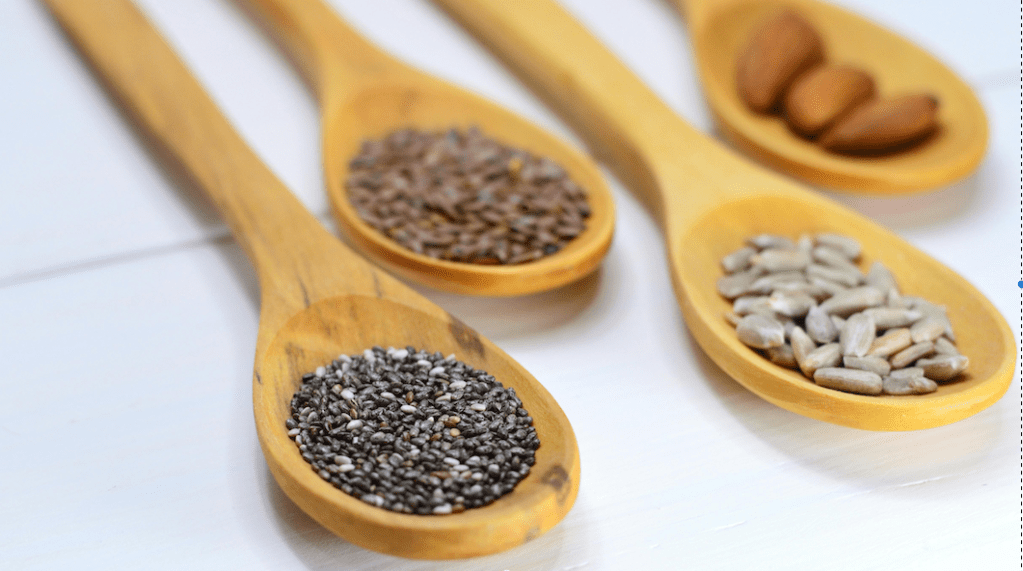
Giving your hormones a helping hand can be as simple as changing your snacks and adding some daily additions into your food. Eating flax, pumpkin, sesame, and sunflower seeds supports the natural regulation of oestrogen and progesterone for better overall balance. Grind the seeds for improved absorption and add to soups, porridge, or yogurt. Pumpkin seeds taste great eaten alone as a snack (drizzle with olive oil & Celtic salt and roast in the oven on 160 for 15 mins). Greek natural yogurt is a great option as it is low in sugar, high in protein and also comprises good bacteria (probiotic) to improve microbiome diversity. Seeds are loaded with protein, omega 3’s, fibre, minerals, and powerful phytonutrients – they work to improve your overall health in addition to improving hormonal balance.
Follicular phase (weeks 1/2): Eat 2TBS of ground pumpkin seeds and flaxseeds to improve the regulation of oestrogen and progesterone production and enable removal of excess oestrogen. Flaxseeds contain lignans which bind to excess oestrogen for removal via the liver. Pumpkin seeds contain zinc which help to promote progesterone production in preparation for the luteal phase (weeks 3/4).
Luteal phase (weeks 3/4): Eat 2TBS of sesame seeds and sunflower seeds. Sesame seeds contain zinc to promote progesterone production. Sunflower seeds contain vitamin E and selenium to help the liver remove excess oestrogen.
Note, if your cycle is irregular, eat all the seeds daily.
Eating non-processed, natural food will optimise your health in many ways, reducing inflammation and oxidative stress. Many people who follow the typical western diet of inflammatory, nutrient deficient, and processed food, have an inflamed and damaged gut which can lead to nutrient malabsorption. Leaky gut is also common where the gut lining is damaged and unbroken food particles, toxins, and bacteria can move into the blood causing an inflammatory response – this can lead to systemic inflammation and other health issues often relating to an over-active immune system. Every cell in the body needs nutrients for energy production, therefore, taking care of your gut is key making sure your cells get what they need.
Fasting
In addition to eating nutritious and hormone balancing foods, fasting is powerful for overall health and hormonal balance, with mounting evidence supporting the anti-ageing benefits of fasting, such as increased stem cell production and autophagy – autophagy is the removal/recycling of old destructive proteins present in some diseases including Alzheimer’s disease. Fasting can help reset blood sugar issues associated with Diabetes Type 2, and also reset insulin resistance, lowering the risk of Diabetes Type 2 and obesity. This will not only help your body prepare for menopause by preventing further hormone imbalance, but it will also help stabilise hunger and satiety hormones (ghrelin/leptin) and keep your weight in check. Fasting and reducing carbs will not only help with weight loss but will work to reset other hormone imbalances and the production of ketones have a calming effect on the brain and other health benefits.
Herbs and supplements
Herbs and supplements are another way to support hormonal balance and general health. Evening primrose oil, agnus cactus, astralagus, and ashwagandha are associated with the relief of peri-menopausal/menopausal symptoms. Ashwagandha has been studied for its anti-stress and sleep benefits and is known to nourish the adrenal glands. Adrenal glands can deteriorate from chronic stress. When our ovaries stop producing sufficient oestrogen and progesterone, the adrenal glands and fat cells take over to produce oestrogen of a different form but to a lesser extent. One reason the body retains fat in menopause, is due to the body’s attempt to produce the oestrogen that is lacking. Fat cells have oestrogen receptors (oestrogen is a growth hormone), and fat cells produce oestrogen, causing an increase in fat, particularly around the middle. Oestrogen dominance is associated with weight gain. Deteriorated adrenal glands may not produce sufficient oestrogen following menopause, thus taking care of your adrenal glands now or in the pre peri-menopausal years will help in preparation for peri-menopause and menopause. Ashwaganda is a well-known herb associated with adrenal nourishment and repair.
Ensure you are getting all required vitamins and minerals and if not, find a good quality supplement to fill the gaps. It is always going to be challenging in consuming and absorbing the required levels of micronutrients; even organic, GM-free, and non-processed food can be often depleted due to soil depletion and logistical (getting food to you quickly after harvest). Non-organic produce is often loaded with chemicals such as herbicides, pesticides, and preservatives, and non-organic meat often contains growth hormones and antibiotics. Eating fresh, organic, GM-free and non-processed food is a significant way to improving your overall health and hormonal balance. The liver has key detoxification and synthesis roles, including hormone synthesis and metabolism so try to not add extra stress to the liver by adding toxic chemicals as the liver will try to eliminate these but it takes the liver away from doing its other vital jobs and toxic overload is common; many chemicals in food are not only toxic but can also be carcinogenic. There are many GM-free, organic and bio-available food supplements on the market to help you get good quality nutrients into your diet; I recommend, Antioxi, Wild Nutrition, Optibac, Ancient & Brave, and Ancient Nutrition products (all available at my HEALF Affilate Shop) which are reasonably priced and high quality – these brands have the relevant credentials relating to quality, environmental, organic, bioavailability, and ethical status. It is key that vitamin and mineral supplements are produced from organically grown plants to ensure the compounds are bioavailable, i.e., our body absorbs natural food compounds and struggles with synthetic compounds, which can block receptors and are not absorbed. There are also some fab greens powders available which are organic and GM-free; these are a great way of getting a large proportion of micro nutrients into your diet – also available at HEALF Affilate Shop. I also take a Vitamin D, probiotic, magnesium, peri-menopausal complex, and mushroom supplements. I don’t take any further vitamin and mineral supplements because I feel a high quality greens drink contains the vitamins, minerals, and phytonutrients that my diet lacks.
Vitamin D – It is key to take 2000-4000 IU Vit D daily (more if you have a known genetic mutation or epigenetic marker affecting Vit D uptake), and get some daily sunlight on your skin; this will not only benefit the immune system but will optimise calcium absorption in your cells which is very important at this stage of life when bones deteriorate on oestrogen decline. There is much consensus regarding the power of Vitamin D and good health following mounting evidence from a vast amount of reliable studies; for instance, there were many Covid studies regarding the association of sufficient Vitamin D intake and positive Covid outcomes.
Energy

With regards to energy which often declines during peri-menopause and menopause, eating lots of vegetables is important for reducing fatigue, and also reducing oxidative stress and inflammation. Vegetables are not only rich in fibre, vitamins and minerals, but they are loaded with phytonutrients which have powerful anti-ageing, anti-disease benefits. Cruciferous vegetables in particular, are loaded with sulforaphane (which is found in high amounts in broccoli sprouts), and polyphenols, which have anti-cancer properties in addition to other anti-ageing properties. Vegetables are also good sources of potassium which is an important mineral which many people are deficient in. Minerals are key to a healthy nervous system, including healthy heart rhythm and also for energy. Many people are also deficient in magnesium which is key for increasing energy; adding a magnesium supplement (200mg) to your diet and eating lots of greens, nuts, and seeds will really help with energy production. Sleep is also key for energy which will be discussed later; try and get atleast 8 hours sleep and you’ll feel the difference from giving your body time to rest and repair. Eating late and not getting sufficient sleep affects energy levels significantly and also impairs other biological functions including the immune system.
Microbiome

Improving your microbiome (bacterial composition in your gut) is also key to improving hormonal imbalance and significant in improving overall health including mood, sleep and immune system function. In relation to hormonal health, improving microbiome diversity by consuming probiotic and prebiotic foods or supplementing with these can assist the body in maintaining oestrogen balance. Dysbiosis in the good bacterial population can cause a drop in oestrogen. Probiotic foods (foods containing good bacterial strains) include kimchi, yogurt, kefir, and sauerkraut. Prebiotic foods feed the good bacteria and these foods include pistachio nuts, jerusalem artichokes, garlic, onions, whole oats, apples, and chicory root. Probiotics also contain a fatty acid (butyrate) which strengthens and repairs the gut lining allowing optimal nutrient absorption and prevention of food particles moving into the blood stream (leaky gut). Leaky gut can lead to systemic inflammation in the body. See my Microbiome post for more information on the importance of a healthy microbiome.
Insulin resistance
Insulin resistance also affects our stress and sex hormones in a negative way. Insulin resistance occurs from constantly triggering insulin production from the pancreas; this is a result of constantly eating and not giving the body a break to rest/repair, and to obtain its energy from fat stores. Also, we have been encouraged to eat foods which are high in carbs, sugar, and processed foods which elevate insulin to extremely high levels. Cells become de-sensitised to insulin and insulin is required for cells to uptake nutrients. Insulin resistance is the cause of many health problems and causes major disruption to hormone imbalance. Insulin resistance is greatly affected by diet. Many studies support the association of insulin resistance and high testosterone levels and PCOS is associated with insulin resistance. People with insulin resistance tend to store weight around their middle. Reducing carbohydrates and eating foods that are high in protein and good fats is key to reducing insulin resistance and the regulation of sex hormones. Fasting is a healthy and effective way to reset insulin resistance, balance hormones, and holds other powerful health benefits.
Stress

Stress reduction is extremely important in the peri-menopausal and menopausal years because stress triggers cortisol production and consequently, chronic cortisol production significantly depletes progesterone. One of the reasons women may struggle with fertility and mis-carriage is due to the depletion of progesterone as a consequence from chronic stress; progesterone is a key hormone in maintaining the uterus lining following egg fertilisation. Deep breathing, mindset work, meditation, and yoga can really help with puling in your parasympathetic nervous system and helping you to respond better to stressful situations. There is much discussion and positive studies regarding the power of mindset and breathing to helping us cope with stressful situations, and our response to traumatic experiences. Historical trauma can manifest into inflammation which can subsequently cause age-related diseases such as cancer, arthritis, dementia, and cardiovascular disease. Chronic cortisol production as a result of chronic stress is extremely detrimental to all biological and physiological functions including hormonal balance, thus reducing stress can significantly improve your overall health and prevent further progesterone decline in peri-menopause and menopause.
Sleep

Sleep can be significantly affected by hormonal imbalance and a lack of sleep or poor quality sleep can subsequently dysregulate other hormones such as our satiety hormone (leptin) and other biological functions such as your immune system. We can improve our sleep by decreasing cortisol (our stress hormone) and increasing serotonin (our feel-good hormone), and melatonin (our sleep hormone). Serotonin is a precursor to melatonin, therefore it is key to maintain/increase serotonin levels. Many people wake at night because they are deficient in melatonin. Oestrogen also triggers the production of serotonin, thus a decline in oestrogen in peri-menopause and menopause can exacerbate poor sleep and mood. To increase serotonin, it is key to improve the composition and diversity of good bacteria within your microbiome. Increasing the colonies of good gut bacteria will result in many health benefits, in addition to enabling serotonin production and subsequent melatonin production. Good bacteria contain fatty acids (butyrate) which trigger serotonin production, therefore, increase probiotic and prebiotic foods and/or take a daily probiotic supplement (I use Optibac and Wild Nutrition brands)– both available from my HEALF Affilate Shop. A precursor to serotonin is tryptophan and vitamin B6 helps convert tryptophan into serotonin. Ensuring you get enough B6 in your diet is important and very often people will need to take a supplement to get the required amount.
You can also improve sleep by eating foods which promote the production of melatonin; these foods include nuts, eggs, and fish. Sleep can also be compromised if you are eating or drinking after 6pm or drinking coffee after 12pm; your body needs to rest and repair whilst preparing for sleep, not be digesting food or drink, other than herbal teas or water.
Bright lights (particularly blue lights) should be avoided after 6pm as they trick your brain into thinking it is day-time, preventing the production of melatonin.
Learning to de-stress and deep breathe will significantly aid sleep by lowering cortisol levels and pulling in the parasympathetic nervous system, telling your body you’re safe, calm and ready to rest. There are many sleep meditations online such as Yoga Nidri which will help you to deep breathe, focus on your breath and relax into a deep sleep. Reducing stress is key to good sleep. When we are stressed, cortisol levels are raised which will prevent your nervous system calming down, enabling your body going into safe and healing mode.
Oxytocin is known as the love hormone and has anti-stress hormone, where it counteracts cortisol. Oxytocin is increased from cuddling, bonding, and connection.
There are also sleep frequency sounds which aid sleep; low sound frequencies promote deep restorative sleep. There are lots of sleep frequency utube videos.
Increasing your melatonin has other health advantages. It is an antioxidant and also helps regulate cortisol production.
Please see my post on Sleep for further information.
Essential oils
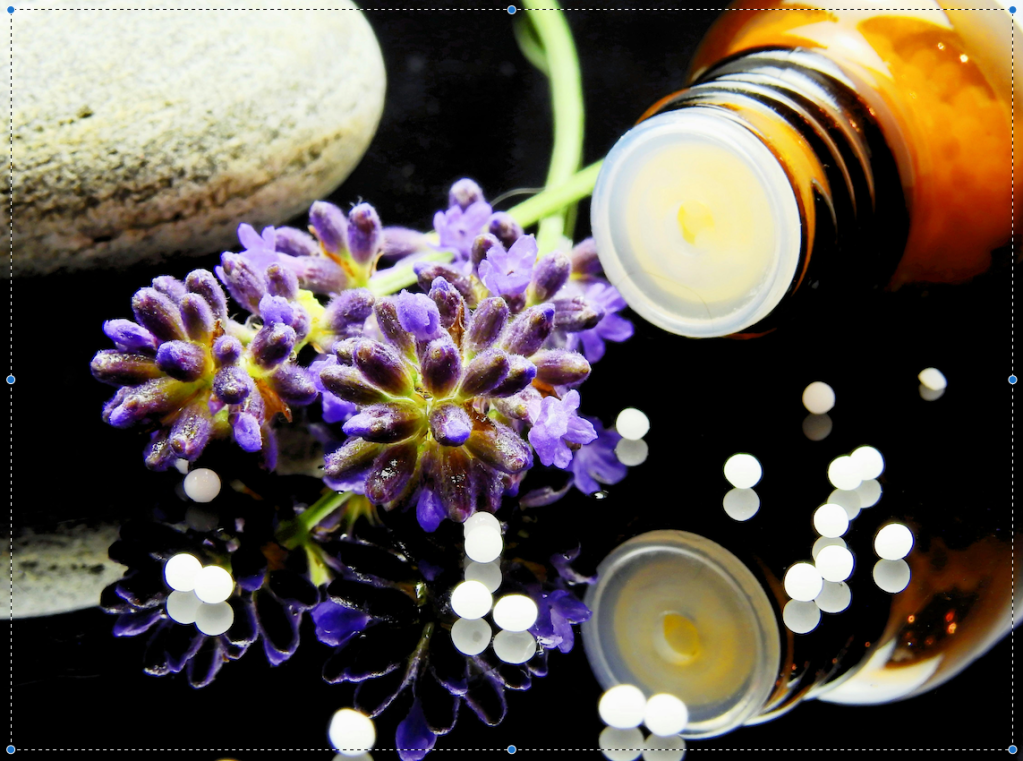
Essential oils are associated with reduced peri-menopausal and menopausal symptoms. Lavender, rosemary, sage, frankincense, lemon, orange, cinnamon, eucalyptus and others and well-known and researched essential oils. Clary Sage essential oil is known to relieve peri-menopausal symptoms and can also soothe tummy pains and relieve anxiety. Lavender is a calming oil which helps support quality sleep. Rosemary is another favourite which aids the immune system. There are many other essential oils known to support good health; use a quality oil such as DoTerra.
Liver
A healthy liver is also key in balancing hormones and optimising general health. The liver breaks down oestrogen into three other forms of oestrogen and then into other metabolites, and also removes excess oestrogen. Many people have fatty liver and those who have weight around their middle are likely to have a fatty liver which predisposes them to liver detoxification problems. The liver works to remove toxins (for example, heavy metals such as BPA & BPS) which can block hormone receptors and inhibit gene expression (epigenetics). Heavy metals such as lead can cause impairment to brain function and people may experience brain fog and have difficulty in concentrating when there is toxic overload. Taking lemon and 1tsp of apple cider vinegar (ACV) in water (not to be taken if you have ulcers) can support healthy liver function. Lemon is also loaded with Vit C which reduces oxidative stress. ACV also ensures the acid/alkali levels are at the appropriate levels in the stomach for protein break-down and the elimination of harmful microbes. Cruciferous, leafy, bitter, and allium greens, along with fresh herbs, support liver detox by stimulating bile flow, enhancing antioxidant protection, and activating detoxification enzymes, while milk thistle helps protect and regenerate liver cells through its antioxidant compound silymarin.
Sweating
Sweating is vital to health and aids toxin elimination from our cells, improves immune cell function, reduces inflammation, and cardiovascular health. Sweating also improves energy and builds resilience to stress. Therefore, having regular sauna sessions is not only relaxing but beneficial to health.
Exercise

Exercise is great for improving energy and mood, and it also improves blood flow for cardiovascular health and brain growth factor, which can help in counteracting symptoms of oestrogen decline. At peri-menopausal and menopausal age, there is an association between deterioration of muscle mass and lowered levels of oestrogen. Therefore, eating good quality protein and maintaining muscle mass through strength training is really important. Strength workouts can be accessed at home if you do not like gym environments or classes (there is a free app called ‘FitOn’ which is fab). Getting out for fresh air and embracing nature is also very beneficial to mental and physical health.
Skin
You may also notice skin changes on the approach to menopause. Oestrogen supports collagen production which gives skin it’s youthfulness and fullness; therefore, your skin may change on oestrogen decline. Your skin will also produce less sebum on oestrogen decline. By using skincare with hyaluronic acid you can improve the skin barrier, preventing evaporation. Using serums or creams containing retinols/retinals (Vitamin A derivative) can work very well to improve collagen production. I recommend Tropic Skincare who produce organic, fresh, and beautiful skin products, all made from natural plant extracts. Tropic hold all the relevant credentials and certifications for an excellent quality and ethical skin brand. I haven’t found any other brand that comes close in quality or ethics, compared to Tropic and I have used SO many products over the years and suffered skin problems which wasn’t resolved until using Tropic products. You will love the smell and texture of their products and they also sell makeup which is also all natural with no nasties added (many skincare and makeup products are laden with toxic chemicals and hormone disruptors). Their latest product is a retinal serum that is winning many awards (Youth Potion Enriched Retinal Complex). I have used this for 6 months now and I can see a significant difference in my skin texture. It’s £78 when bought separately but the price reduces greatly when bought as part of the Enhanced Collection Set (£109); this set includes cleanser, toner, moisturiser, face scrub or mask, plus two serums (one youth potion included in the two chosen serums). Choose from skincare essentials such as cleansers, toners, moisturisers, face masks, serums, oils, lip balms, eye creams and much more. So, whether you have balanced, oily, dry, sensitive, or combination skin – and whatever your skin goals – you’ll discover nourishing new favourites.
Summary
I hope this article has given you some ideas on how to support hormone balance during perimenopause and menopause. It’s worth noting that HRT (hormone replacement therapy) is available in body-identical forms for those who wish to consider it.
Personally, I was sceptical about HRT, so I reviewed the available information carefully. For myself, I plan to navigate this journey primarily through lifestyle changes. However, I may consider body-identical HRT if my symptoms were to worsen to the point of feeling low, anxious, or depressed.
If you want reliable information on body-identical HRT, I recommend resources from Louise Newson, a well-known menopause specialist. She explains that much of the early research linking HRT and breast cancer was based on synthetic, non-body-identical oestrogen, which is different from the forms naturally produced by the ovaries. Today, body-identical oestrogen and progesterone are available and may be better tolerated.
For me, I believe it’s wise to explore natural ways to support hormonal balance first. Reducing stress, prioritizing sleep, eating whole, non-processed foods, and practising intermittent fasting (I fast until mid-day, and occasionally extend to 5pm) which helps me maintain energy, focus, and stable mood.
Ultimately, it’s your body and your choice. I hope this information helps you understand the changes happening in your body and encourages you to make informed decisions about how you want to support your health through this transition.
 Outsideandin.me
Leave a comment