
Discover what the microbiome is, how it affects your digestion, immune health, and mood, and how to support it naturally through diet and lifestyle.

What is the microbiome?
The microbiome refers to the vast community of microorganisms – including bacteria, viruses, fungi, and other microbes – that live on and inside the human body, particularly in the gut. The gut microbiome is the most extensively studied and houses trillions of microbes – they reside mainly in the large intestine, but also in the:
Skin – defends against pathogens and regulates inflammation
Lungs – maintains immune balance in respiratory tract
Mouth and throat – impacts oral and systemic health
Vagina – protects against infections and supports reproductive health
These microbes have more genes than the human genome and play a crucial role in many bodily systems.
What does the microbiome do?
Digestion: Breaks down fibre and produces short-chain fatty acids (SCFAs) like butyrate. Butyrate nourishes and repairs the intestinal lining, supports vascular endothelial health, and modulates inflammation across systems, including the respiratory tract – via the gut-organ axes.
Immune Regulation: Trains the immune system to recognise friend v foe.
Nutrient Synthesis: Produces vitamins (for e.g., K2, B12, biotin).
Hormone Balance: Influences estrogen metabolism (estrobolome), cortisol response, and insulin sensitivity.
Mood and brain function: Produces neurotransmitters like serotonin and GABA (gut-brain axis).
Sleep: Serotonin subsequently triggers melatonin production – melatonin is our sleep hormone.
Detoxification: Helps bind and eliminate toxins and waste.
Inflammation Control: A diverse microbiome helps reduce chronic low-grade inflammation.
What is gut dysbiosis and why is this not good for our health?
Dysbiosis refers to an imbalanced gut microbiome, where beneficial and harmful bacteria are out of proportion and microbial diversity is reduced. Dysbiosis is associated with:
- Obesity, diabetes, and autoimmune diseases
- Irritable bowel syndrome (IBS)
- Inflammatory bowel disease (IBD)
- Anxiety, depression, cognitive issues
- Skin problems like eczema and acne
- Hormonal imbalances
- Poor immune resilience
How to Support a Healthy Microbiome?
- Eat a high-fibre, plant-rich diet – diversity is key!
- Include fermented probiotic foods such as sauerkraut, kimchi, kefir, miso, yogurt. Consider probiotics (‘beneficial bacteria microbes) if you are lacking probiotic foods in your diet. Please see my HEALF Affilate Shop (you will get 10% discount at checkout using this link) for recommended high quality probiotics (choose category ‘Probiotics’ in ‘Dawn’s Drops’ on my HomePage). A high quality daily maintenance probiotic is Optibac 5 billion CFU.
- Avoid unnecessary antibiotics. Antibiotic use can severely disrupt the microbiome causing dysbiosis – if you have taken antibiotics in the last 10 years it is important to take a high dose probiotic to rebalance the microbiome. I recommend the Wild Nutrition Probiotic – 30 billion CFU for 3-6 months, followed by a daily maintenance 5 billion dose – Optibac 5 billion CFU.
- Minimize processed food and added sugar.
- Get adequate sleep, manage stress, and move regularly.
- Spend time in nature and with animals to boost microbial diversity.
- Consider prebiotics (fibre that feeds good bacteria) if you do not get enough prebiotic foods (foods that feed the beneficial bacteria – see list below):
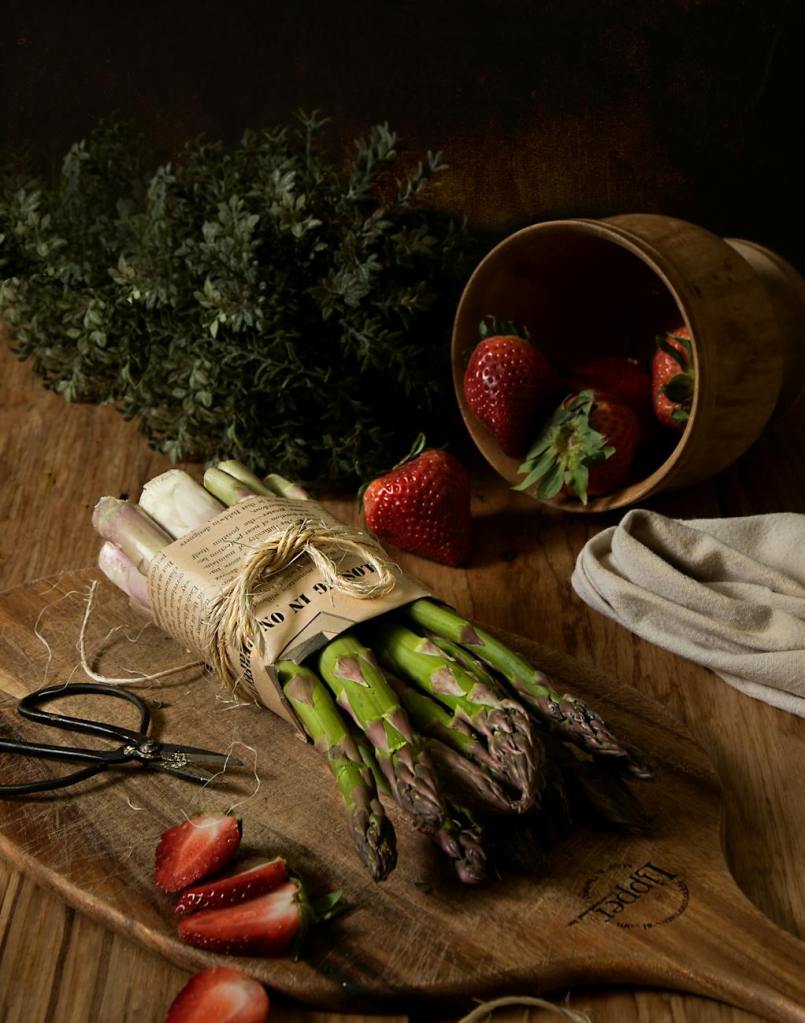
🌿 Vegetables & Roots
- Garlic
- Onions (especially raw)
- Leeks
- Asparagus
- Jerusalem artichokes
- Chicory root
- Dandelion greens
- Beetroot
- Celery
🍌 Fruits
- Bananas (especially slightly green)
- Apples (with skin, especially Granny Smith)
- Berries (blueberries, strawberries, raspberries)
- Pomegranate
- Kiwi
- Watermelon
🌾 Whole Grains & Seeds
- Oats (especially steel-cut or rolled)
- Barley
- Rye
- Flaxseeds
- Chia seeds
- Psyllium husk
🥜 Legumes & Pulses
- Lentils
- Chickpeas
- Kidney beans
- Black beans
- Green peas
🥥 Other
- Cocoa (raw cacao powder)
- Seaweed
- Unripe plantains
 Outsideandin.me
Leave a comment