

Coeliac disease is more than just a “gluten allergy”. It’s a complex autoimmune condition in which the immune system responds abnormally to gluten, a protein found in wheat, barley, and rye. Unlike simple food intolerances, coeliac disease involves immune dysregulation, intestinal damage, and a clear genetic predisposition. Despite this, the role of genetics in coeliac disease has historically been controversial – in part because genetics alone doesn’t cause the disease, and because diet, gut health, and other environmental factors act as essential co-contributors.

In this post, we’ll unpack:
- The genetic component of coeliac disease
- The “three exposures” that need to align for the disease to manifest
- Practical strategies to support gut lining integrity and potentially reduce risk
1. Genetics and Coeliac Disease: What the Research Shows
For decades, researchers have known that coeliac disease runs in families – people with an affected first-degree relative have a much higher risk than the general population. Early controversy arose because genetics alone couldn’t explain why two siblings with the same genetic background might respond differently to gluten. It became clear that genes set the stage, but don’t write the whole story.
The strongest genetic associations in coeliac disease are with specific variants of the HLA (human leukocyte antigen) system, particularly:
- HLA-DQ2
- HLA-DQ8
These gene variants code for molecules that present protein fragments (including gluten fragments) to the immune system. When gluten is digested, pieces of it (gliadin peptides) can be modified by an enzyme called tissue transglutaminase; the modified peptides bind more strongly to HLA-DQ2 and HLA-DQ8 molecules. This “presented” gluten fragment can then incorrectly activate immune cells, triggering inflammation and autoimmune damage to the intestine.
It’s now estimated that over 95% of people with coeliac disease have either HLA-DQ2 or HLA-DQ8 genes. Having these genes doesn’t guarantee disease, but lacking them makes coeliac extremely unlikely – which is why genetic testing is commonly used to rule out the diagnosis.
So the research consensus is clear: genetics matters – but only in combination with other exposures. This is where the “three exposures” model is useful.
2. The Three Exposures Needed for Coeliac Disease
Current research supports a model in which three conditions must come together for coeliac disease to develop:
2.1 Gluten Exposure
It sounds obvious, but without exposure to gluten or related proteins (like gliadin), coeliac disease cannot occur. It is the interaction between gluten fragments and the immune system that drives the autoimmune process.
2.2 A Susceptible Genetic Background (HLA-DQ2 / HLA-DQ8)
As noted above, these gene variants make it possible for gluten peptides to be presented to the immune system in a way that triggers inappropriate responses.
2.3 Increased Intestinal Permeability (“Leaky Gut”)
This is the step that historically caused the most controversy. For a long time, researchers weren’t sure whether leaky gut was a cause of coeliac disease, a result of the immune damage, or both. More recent evidence suggests that intestinal permeability is a key early step – it allows larger, incompletely digested gluten peptides to cross the intestinal barrier and interact with immune cells in the deeper layers of the gut wall.
Put simply: you can have gluten in your diet and the genetic predisposition, but if your gut barrier is intact, those gluten fragments have no easy path to the immune system. On the other hand, if the gut lining is compromised – whether due to stress, infection, dysbiosis (microbiome imbalance), inflammatory conditions, or other triggers – gluten peptides get through and activate immune cells, setting off the autoimmune cascade.
3. Repairing the Gut Lining: Supporting Integrity and Reducing Risk
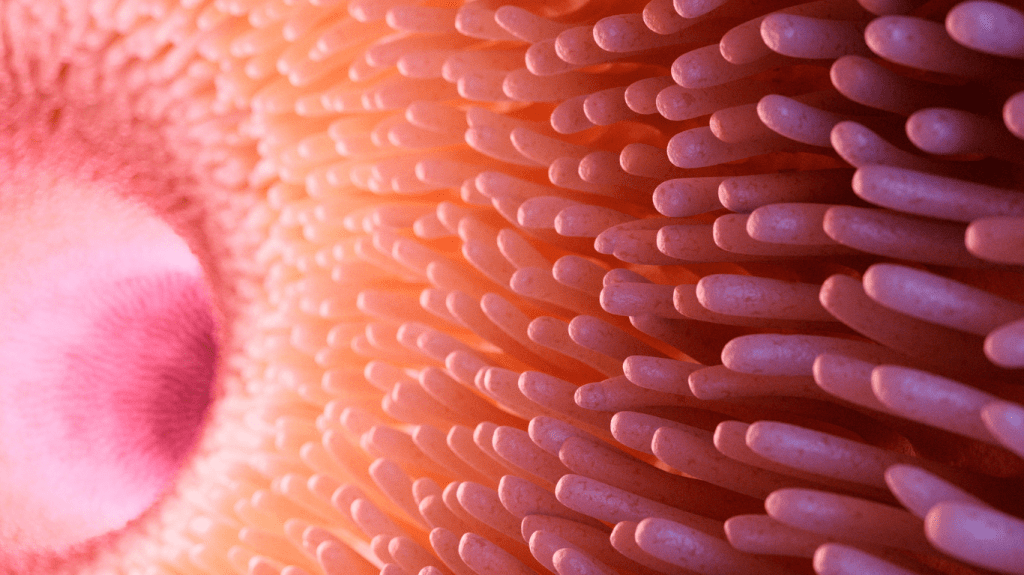
If intestinal permeability plays a causal role in coeliac disease (and other inflammatory conditions), it makes sense to focus on strategies that support the health of the gut barrier. Below are commonly suggested nutrients and botanicals that have shown promise in research or clinical practice for supporting mucosal integrity. These are not cures, but they may help strengthen the gut lining and reduce inflammatory stress.
🌱 Aloe Vera
Aloe vera extracts contain compounds that may soothe the intestinal mucosa and reduce inflammation. Some research indicates that aloe can support mucosal healing and protect against irritants, although more high-quality clinical trials are needed.
💪 L-Glutamine
L-glutamine is the most abundant amino acid in the bloodstream and a key fuel source for enterocytes – the cells that line the gut. In states of increased permeability or stress, glutamine supplementation may help support enterocyte repair and tight-junction integrity.
🍃 Slippery Elm
Traditionally used in herbal medicine, slippery elm contains mucilage – a soothing, gel-forming compound that can coat and calm irritated mucous membranes, including the gut lining.
🦠 Probiotics
A balanced gut microbiome is critical for intestinal barrier function. Certain probiotic strains have been shown to:
- support tight junction proteins
- reduce inflammation
- enhance mucosal immunity
While the probiotic field is complex and strain-specific effects vary, many clinicians incorporate Lactobacillus, Bifidobacterium, and soil-based organisms as part of a gut support plan. These can all be purchased at 10% off via my HEALF store https://healf.com/DAWNWILLIAMS and please message me for advice on what you might need.
Putting It All Together
Coeliac disease represents a classic example of gene–environment interaction. Decades of research have affirmed that:
- You need the right (or wrong!) HLA genes
- You need exposure to gluten peptides
- And you need a compromised gut barrier for disease to develop
This model helps explain why not everyone with HLA-DQ2 or HLA-DQ8 develops coeliac disease, and why genetics alone doesn’t tell the whole story.
Supporting gut barrier health – especially in genetically susceptible individuals – may be a proactive way to reduce inflammatory burden. While dietary avoidance of gluten is essential once coeliac disease is established, nutritional and botanical gut support strategies like aloe vera, L-glutamine, slippery elm, and targeted probiotics may play a role in prevention or early intervention strategies.

 Outsideandin.me
Leave a comment