
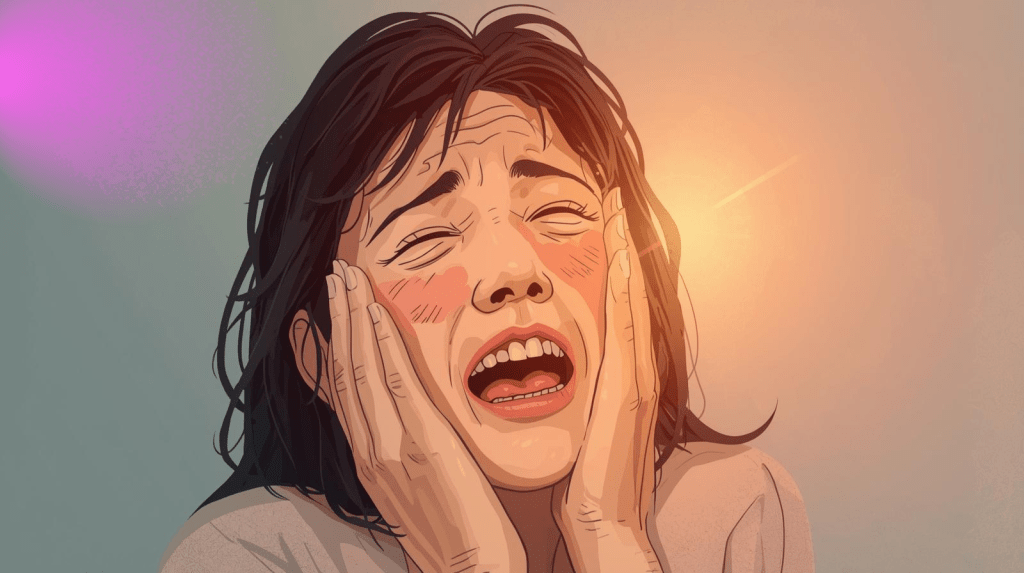
If you’ve been waking up at 3:00 AM drenched in sweat, you aren’t alone—but you might be surprised by why it’s happening. Many women assume night sweats are simply caused by “running out” of oestrogen, but it’s also about a communication breakdown between your hormones and your brain.
The key driver of night sweats is fluctuating oestrogen levels, which disrupt the hypothalamus – the brain’s internal thermostat. Think of it as a sensitive dial that has suddenly become “glitchy.”
The Simplified Process:
- The Fluctuation: During perimenopause, oestrogen doesn’t just “drop” – it swings wildly. You may have periods of excessively high oestrogen (especially if progesterone is low, which is often the case in peri-menopause) or high levels of “xenoestrogens” (from environmental sources such plastic food containers (BPA), pesticides on non-organic produce, and synthetic fragrances in laundry detergents or perfumes).
- The Thermostat: Whether oestrogen is crashing or spiking, the hypothalamus (the brain’s thermostat) is sensitive to the change. It relies on steady, rhythmic signals to keep you cool.
- The Overreaction: These erratic swings or the presence of “noisy” xenoestrogens, make the hypothalamus hypersensitive. Even a tiny rise in body temperature is seen as a “code red.”
- The False Alarm: Your brain mistakenly thinks you are overheating because the hormone signals are so inconsistent.
- The Response: To cool you down fast, the body triggers vasodilation (flushing) and sweating.
A Note on the Thyroid: While conditions like hyperthyroidism can cause sweating, perimenopausal night sweats are almost always about oestrogen–brain signalling, not a thyroid malfunction.
Evidence-Based Strategies to Cool Down

1. Balance Your Blood Sugar
Blood sugar “rollercoasters” are a hidden trigger. When your blood sugar crashes at night, it stimulates adrenaline, which can wake you up in a hot sweat.
- Dinner Strategy: Focus on high-quality protein and healthy fats (e.g., salmon, avocado, or chicken).
- The “Pantry Rule”: Avoid high-sugar or refined carbs late in the evening.
- The Bedtime Snack: If you’re prone to 3:00 AM wakes, a small protein-rich snack (like a handful of nuts or a Greek yogurt) can keep blood sugar stable.
2. Optimize Your Sleep Environment
It sounds simple, but thermal regulation is key to preventing the “alarm” from going off.
- Target Temperature: Aim for a cool 16–18°C.
- Material Matters: Swap synthetics for breathable cotton, linen, or bamboo bedding.
- The Layering Method: Use multiple thin blankets rather than one heavy duvet so you can adjust easily.
3. Herbal Support
- Sage: Traditionally used for “drying up” excess sweating; studies show it can significantly reduce flush frequency.
- Black Cohosh: One of the most researched herbs for menopause. It’s thought to influence serotonin pathways that help regulate temperature.
- Red Clover: Rich in isoflavones (plant oestrogens), it offers a mild modulating effect on your hormone levels.
4. Magnesium: The “Chill” Mineral
Magnesium (specifically glycinate or citrate) helps the nervous system relax. Evidence suggests it can reduce the intensity of hot flushes while improving overall sleep quality.
5. Stress Management
Stress hormones (cortisol) act like fuel for hot flushes. Reducing the “noise” in your nervous system can lower the frequency of sweats.
- Try: 4-7-8 breathing before bed, restorative yoga, or moving your intense exercise to earlier in the day.
Supplement Spotlight: The Perimenopause Complex
If you are looking for a targeted solution, a formula like the Wild Nutrition Perimenopause Complex hits several of these physiological trigger points at once:
- Shatavari: An Ayurvedic adaptogen that helps the body adapt to the rise and fall of oestrogen.
- Magnesium & Vitamin B6: The “calm-down” duo. Magnesium relaxes the nervous system, while B6 is essential for regulating hormonal activity.
- Saffron (Safr’Inside™): Helps maintain emotional equilibrium. Since stress acts as “kindling” for hot flushes, keeping your nervous system steady during the day leads to fewer spikes at night.
The “Surprise” Factor: Vitamin D
We often think of Vitamin D for immune and bone health, but it’s actually a pro-hormone that plays a massive role in temperature regulation. Low levels of Vitamin D are consistently linked to increased hot flush frequency and poorer sleep quality.
When your levels are low, your “internal thermostat” becomes even more unstable.
Pro-Tip: How to “Layer” Your Supplements
Most hormone complexes don’t contain a therapeutic dose of Vitamin D, so “layering” them is often the secret to better results.
- The Foundation: Take your Wild Nutrition Perimenopause Complex (for the Shatavari, Magnesium, and B6).
- The Thermostat Add-on: Add a separate Wild Nutrition Vitamin D3 (approx. 1000–2000 IU).
- The Synergy: Magnesium is actually required to “activate” Vitamin D in the blood, making this combination much more effective. I recommend taking an additional magnesium supplement (although there is some in the Peri-menopausal Complex) to provide about 250mg in total – take this before bed for optimum support.
Quick Checklist: Common Triggers
Before bed, check if these “heat-seekers” are sneaking into your routine:
- Alcohol (The #1 culprit for many women)
- Spicy foods at dinner
- Caffeine late in the day
- Very warm bedrooms
Summary
Night sweats are a signal from your body that it needs a little extra care. To see how these strategies fit into a wider lifestyle plan – including specific dietary shifts and stress-reduction techniques – head over to my post: Improve your journey through peri-menopause and menopause

 Outsideandin.me
Leave a comment